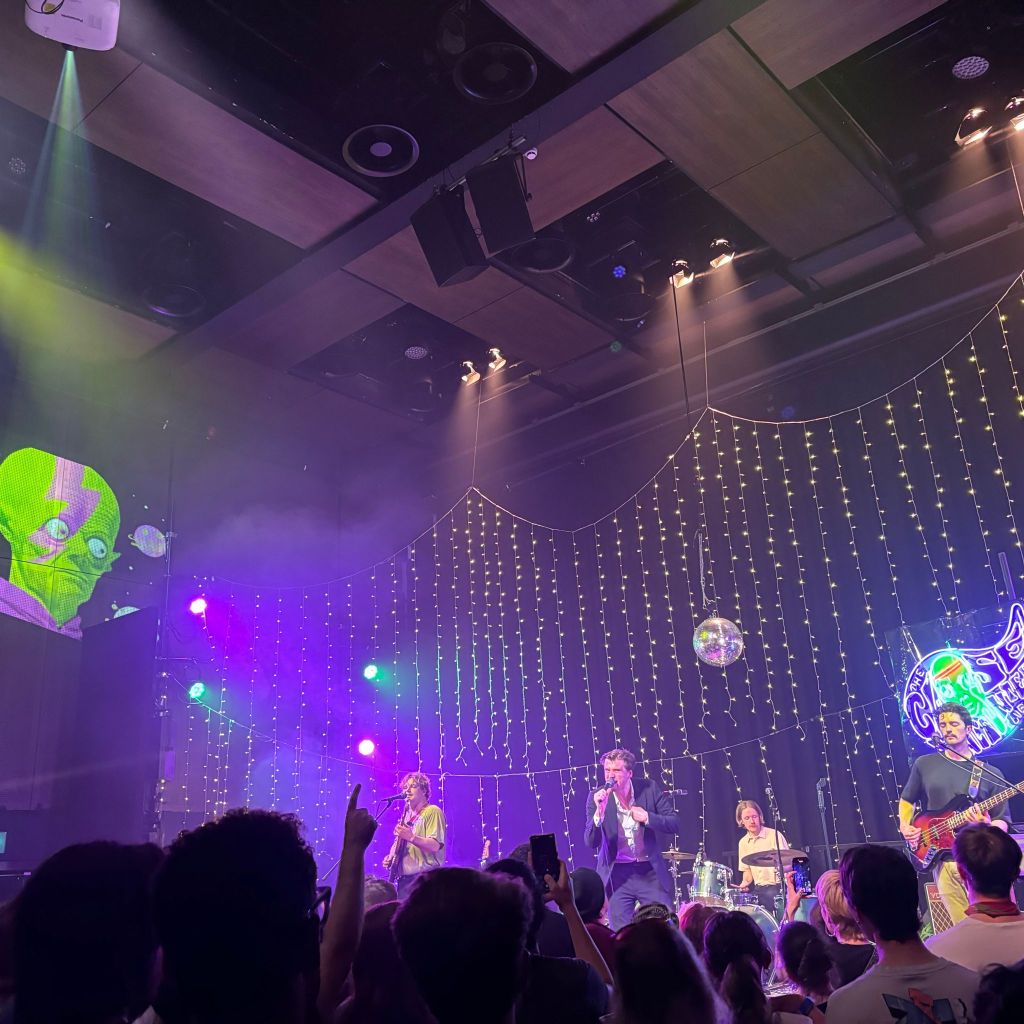
If there was an age of cinema and an age of live music, then it’s arguable that we are now in the age of streaming. You might be reading this blog while listening to music on Spotify, Apple Music or Tidal. Afterwards, you may hop onto your chosen streaming site. We all consume television, film and music differently now; we are signed up to a variety of these sites. What’s important is the significant amount of disposable income that we end up spending on these sites.
Just take our consumption of music. There are so many different sites to stream music on, and although significant number of them offer free access, they all require paid subscription to listen to music without interruption from ads or in better quality. The leading music platforms, Spotify and Apple Music, both offer their premium versions at £10.99 a month. Meanwhile, television and Film is so different – the potential market leader Netflix offers packages ranging from £4.99 a month to £15.99.
Should we take this as a given? Is it fair to make people pay significant amounts of their disposable income to simply consume film, television and music?
The moral argument
The Conservative UK government under then Prime Minister David Cameron announced a programme of austerity in the early 2010s – this involved cuts to local councils. One of the councils impacted was Darlington Borough Council, which decided to save money in line with Conservative imposed austerity by closing the town’s library. This prompted outrage among locals and campaigners, and they took proceedings to court to stop their plans. It’s worth considering why this outrage happened; what were the moral considerations that underlined it?
Libraries are important as they ensure a universal opportunity to access knowledge as people with additional disposable income are not favoured. This is important as money should not confer additional freedom, as argued by political philosopher Gerald Cohen. Money should not confer additional freedom in relation to knowledge as excluding people from access to knowledge based on income perpetuates inequality due to the additional educational and employment benefits reaped by those with greater access to knowledge.
How does this link to the case of streaming sites? Well, we do not just access knowledge through books, we may also access knowledge through music, television series and films. Just consider the educational value of some documentaries and films on streaming sites and their coverage of historical events for instance – the catalogue of documentaries on Netflix on the Cold War and the Second World War springs to mind. Or the societal statements often made by musicians in their music and film directors – think Danny Boyle’s Trainspotting or Arctic Monkeys’ Tranquillity Base Hotel & Casino.
I can go on with listing examples, but the point remains that, if we believe we should allow people equal access to knowledge through libraries, why should we not we extend this to music, television series and films? If we believe in the library example, is it fair to make people pay significant amounts of their disposable income to consume knowledge through their consumption of film, television and music?
Some objections
However, surely, it’s a conscious choice of ours to consume music, film and television through these streaming sites. In this sense, as individuals we should to take responsibility for these choices – as famously contended by political philosopher Ronald Dworkin. If we want our kitchen renovated, it’s our choice. Therefore, the same should apply for if we want to consume certain films, television series or music. An additional tenet to add to the objection from choice is that it might be dubious whether our payments to streaming sites should be within the realm of the state – is it not our personal choice to facilitate these payments.
Additionally, objectors could appeal to the notion of fairness. This stipulates that streaming site fees should not be free or compensated as we ought to pay for the labour of others. For instance, it would be unfair on the barber or hairdresser for you not to pay them sufficiently for their work. Similarly, it would be unfair not pay the people that organise these sites and the artists that publish their content on there, regardless of the other moral principles at play.
Finally, there is probably doubt over whether music, television or films represent knowledge in the same essence that books or other streams of knowledge do. If they do not, then our payments to music, films and television streaming sites do not deserve the same moral consideration as libraries or open access journals.
What’s next for streaming sites
Whether the above objections are strawman or not, perhaps the libraries example raises a more ambitious question than just whether we should question our unfettered payments to streaming sites.
Interestingly, it’s not as if we do not pay to access libraries; the difference is we pay for these through our taxes to the local council rather than a stream of subscription style payments. Moreover, the same roughly goes for many museums and galleries in the UK, which are free at the point of the use but funded through the UK Government’s Department for Culture, Media and Sport – whose revenue is largely funded through taxation. This begs the question about whether a similar funding model could be appropriated for streaming music, film and television in the UK. Granted this is ambitious and the impact this would have on the quality of music, television and film would need to be explored – nonetheless, it seems a logical extension from simply questioning our payments to streaming sites. This arguably already exists in the British Broadcasting Corporation however perhaps a rethink about its content offering and its funding model, the TV licence, is required.
Moreover, if we can question our payments to streaming sites then perhaps this raises questions for the justifiability of illegally streaming – however, this is an argument to make another day.
Oasis and streaming sites – a moral reckoning for the creative industries?
Finally, it’s worth framing this discussion within wider moral discussions surrounding our consumption of the creative industries. Following Oasis announcing 17 shows for summer 2025, outrage sparked following their use of dynamic pricing – a mechanism that allows the ticket seller to adjust the price in relation to demand. This allowed Oasis to advertise their tickets for £148.50 yet charge up to and over £350 for some tickets.
This raises important moral questions surrounding individual autonomy and around access to the creative industries for working class people. However, this does not come within a vacuum but instead within the context of Oasis frontman Liam Gallagher criticising the current streaming settlement and how it does not pay musicians as proportionately as the more widespread release of CDs and records did in the 1990s.
Gallagher’s comments do not justify dynamic pricing, nonetheless they raise wider moral questions for the creative industries. Specifically, how do we proportionately pay creators while reasonably charging consumers, without depriving sectors of society from accessing the pure enjoyment and educational value of the creative industries.
Maybe, this elucidates the need for a fundamental rethink about how consume, enjoy and access the creative industries – whether this be on a streaming site or in Heaton Park next year.

 Mores
Mores 
Leave a reply to prashadjosina Cancel reply